
Family Resources
Helping families understand memory loss and discover how music can create meaningful moments of connection.
Caring for Someone with Memory Loss
Caring for a loved one with dementia can be both rewarding and challenging. As memory and communication change over time, emotional connection remains possible. Patience, understanding, and meaningful activities, such as listening to familiar music, can improve quality of life for both the individual and their caregiver.
Helpful Tips:
- Speak calmly and slowly
- Use short, simple sentences
- Maintain eye contact
- Smile often
- Focus on reassurance instead of correction
- Celebrate small moments together
Understanding Dementia
Dementia is a general term describing a decline in memory, thinking, and reasoning skills that interferes with daily life. Alzheimer’s disease is the most common cause, but there are several different types of dementia.
Common Symptoms:
- Memory loss
- Difficulty communicating
- Confusion
- Changes in mood or behaviour
- Difficulty solving problems
- Wandering
- Trouble recognizing familiar people
Stages of Dementia

Early Stage
- Mild memory loss
- Independent living
- Difficulty finding words

Middle Stage
- Increased confusion
- Assistance with daily activities
- Behavioural changes

Late Stage
- Significant memory loss
- Limited communication
- Full-time care required
Music Creates Connection
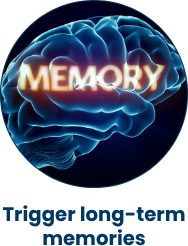
Research has shown that familiar music activates several regions of the brain associated with memory, emotion, and movement. Even when verbal communication becomes difficult, music often remains meaningful.
Music May Help








Meaningful Activities
Families don’t need elaborate plans to create joyful moments.
Try these:










Frequently Asked Questions
Is music therapy the same as listening to music?
No. Music therapy is provided by trained professionals, while listening to favourite music is an enjoyable activity anyone can share.
What songs should I play?
Music from the person's teens and early adulthood is often the most meaningful.
Can family members attend performances?
Yes. Family participation often enhances the experience.
What if my loved one becomes emotional?
This is normal. Music can evoke powerful memories and feelings.
Can music improve memory?
Music does not cure dementia, but it can temporarily improve mood, engagement, and memory recall.
Helpful Organizations
Organization
What You'll Find
Caregiver support, education, local services
Dementia information and caregiving guides
Global dementia information
Practical caregiving advice and resources
Music-based dementia programmes